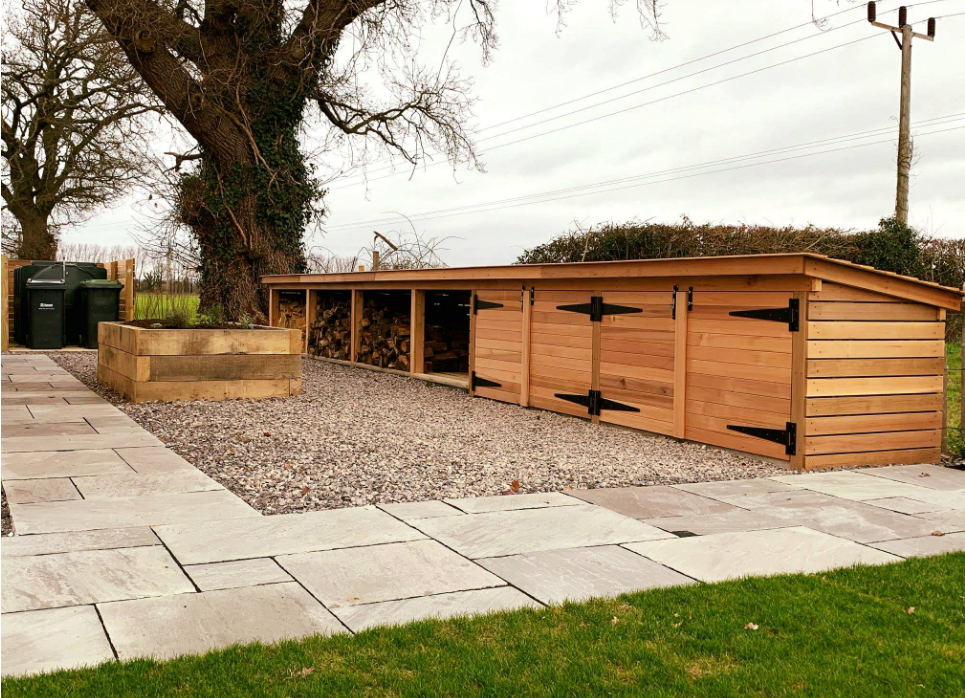
Seasonal Low-Maintenance Tips for Your Garden
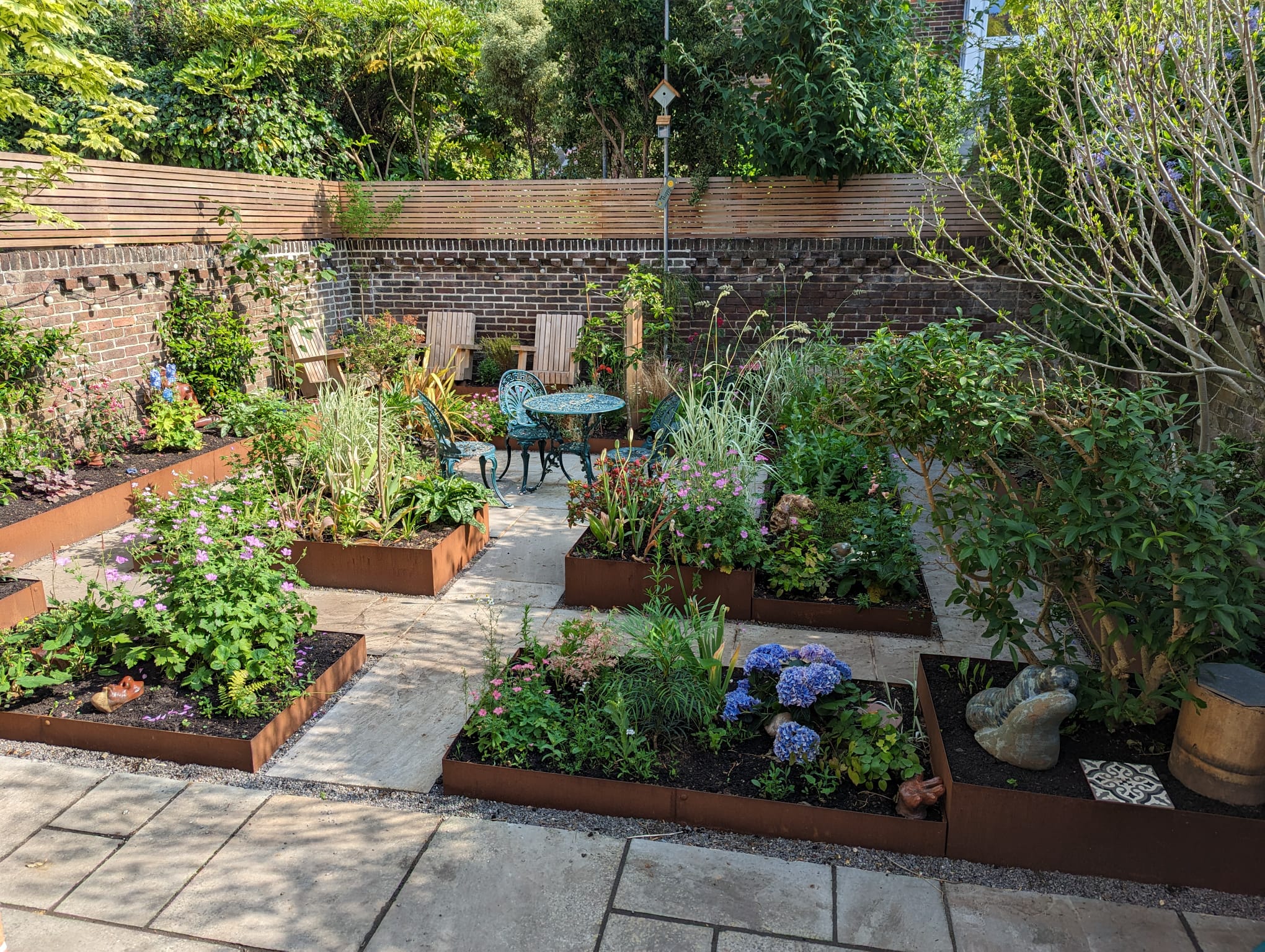
A low maintenance garden lets you enjoy a beautiful outdoor space without spending every weekend pulling weeds or keeping up with constant maintenance. There’s absolutely nothing wrong with that – it’s smart garden planning.
There is no big secret to maintaining a low maintenance garden year-round. It is about working smarter, not harder. That phrase sometimes gets confused with cutting corners, but this is not the case. When you understand what your garden needs each season (and crucially, what it doesn’t need), you can create a space that practically looks after itself whilst still being the envy of your neighbours.
Over the next few sections, we’ll walk through each season and show you how to set up systems that reduce your workload while keeping your garden looking brilliant all year round.
Spring: setting up systems that work for you
Spring is your golden opportunity to put systems in place that will save you hours of work later in the year. It’s not about rushing into everything at once – it’s about making smart choices that pay dividends all season long.
Start with mulching
The first thing to tackle is mulching. A proper layer of organic mulch does three jobs at once:
- Suppresses weeds naturally
- Retains moisture in the soil
- Slowly feeds the soil as it breaks down
Use bark chips, compost or well-rotted manure, and put it down once in spring. You’ll be amazed at how much less weeding and watering you’ll need to do in summer.
Choose plants that work with you, not against you
When it comes to plant choices, this is the season to think long-term. Hardy perennials will come back year after year without any fuss:
- Lavender for fragrance and drought tolerance
- Rosemary for year-round structure and cooking
- Ornamental grasses for movement and winter interest
If you’re adding new plants, choose varieties that suit your soil and light conditions rather than fighting against what you’ve got. If you want a garden that is planned properly from the start, garden design can help you build a layout that stays low-effort long term.
Let ground cover do the work
Spring is the perfect time to establish ground cover plants. These spread naturally and crowd out weeds whilst looking great:
- Creeping thyme for sunny spots
- Ajuga for shadier areas
- Wild strawberries for edible ground cover
Plant them now and they’ll do the hard work of filling in bare patches for you.
Think about structure
Don’t forget about your garden’s structure either. Spring is ideal for:
- Laying paths that reduce muddy areas
- Installing raised beds for easier maintenance
- Setting up irrigation systems for consistent watering
These might seem like big jobs now, but they’ll make everything else easier for years to come. If you’re planning a new patio or walkway, professional paving can reduce ongoing upkeep and keep the garden usable year-round.
Summer: keep cool without the hard work
Summer doesn’t have to mean endless hours with the hosepipe or constant deadheading. The trick is working smarter with the heat rather than against it.
Watering that works
The biggest summer mistake is watering little and often. This encourages shallow roots that need even more water. Instead:
- Water deeply once or twice a week rather than daily sprinkling
- Water early morning or evening to reduce evaporation
- Focus watering at the base of plants, not on leaves
- Use a soaker hose or drip irrigation for consistent, efficient watering
If you set up your watering systems properly, you can even go away for a weekend without worrying about your plants.
Choose heat-loving plants
Summer is when Mediterranean plants really shine. These prefer hot, dry conditions:
- Sedum varieties for summer colour
- Echinacea (coneflowers) that attract beneficial insects
- Rudbeckia for months of bright blooms
- Salvia for continuous flowering with minimal water
Embrace the natural look
Stop fighting nature’s summer rhythm. Many plants naturally go a bit dormant in extreme heat, and that’s fine. Allow your lawn to go slightly brown during dry spells (it will bounce back with the first proper rain), and let some plants rest rather than forcing them to perform.
Smart summer maintenance
Keep your summer workload light with these time-saving approaches:
- Deadhead regularly, but don’t stress about perfection
- Let some flowers go to seed for wildlife and natural reseeding
- Mow the grass higher in hot weather (it copes with drought better)
- Harvest herbs and vegetables early in the morning when they’re freshest
Shade and shelter strategies
Creating microclimates reduces stress on plants and on you:
- Use taller plants to shelter more delicate ones
- Position containers in morning sun, afternoon shade
- Create seating areas that are naturally cooler for your own comfort
If you want a simple way to add shade and structure without constant pruning, consider installing a pergola.
Autumn: the season that does the work for you
Autumn is the ultimate low-maintenance season if you know what to leave alone. Forget tidying every fallen leaf – nature has a better plan.
What to leave in your garden over winter
This is one of the most common questions gardeners ask. Here’s what should stay put:
- Seed heads on perennials (echinacea, rudbeckia, ornamental grasses) for winter interest and bird food
- Fallen leaves around trees and shrubs as natural mulch and wildlife habitat
- Hollow plant stems that provide overwintering spots for beneficial insects
- Late-flowering plants like asters and sedums until they’ve finished blooming
The only things you need to clear are diseased material and anything that is genuinely messy or blocking paths.
Prep work that saves spring effort
A few smart autumn tasks will make your spring much easier:
- Plant spring bulbs now for effortless early colour
- Divide overcrowded perennials (they establish better in cool, moist conditions)
- Take hardwood cuttings from shrubs like roses and currants
- Move or plant trees and shrubs whilst the soil is still warm
The lazy gardener’s autumn clean-up
Focus your energy where it counts:
- Rake leaves off the lawn (but leave them everywhere else)
- Cut back anything that has become a trip hazard
- Harvest the last of your vegetables and herbs
- Check and clean garden tools before storing them
Natural autumn mulching
Let autumn do the mulching for you. Fallen leaves make brilliant free mulch around established plants. Chop them up with your mower if they’re very thick, or leave them as they are in shrub borders. They’ll break down over winter and feed your soil.
Planning for next year
Autumn is perfect for observing your garden and making notes about what worked and what didn’t. Walk around with a cup of tea and think about:
- Which areas looked bare this year
- What plants performed well with minimal care
- Where you might want to add more structure or seating
If you’re looking for inspiration before making changes, browse recent garden projects to see what’s possible with the right layout and materials.
Winter: what to leave well alone
Winter is the season when the best thing you can do for your garden is often nothing at all. Resist the urge to tidy and fuss – your garden is having a well-deserved rest.
The art of doing nothing
Most plants are designed to handle winter without your help. Here’s what to avoid:
- Don’t cut back ornamental grasses or perennials with interesting seed heads
- Avoid walking on frozen grass (you’ll damage it)
- Don’t prune most shrubs until late winter or early spring
- Skip major digging or soil work when it’s waterlogged or frozen
Minimal winter tasks
There are only a handful of jobs worth doing in winter:
- Brush heavy snow off evergreen branches to prevent breakage
- Check tree stakes and ties aren’t cutting into bark
- Plan your garden changes from the warmth of indoors
- Order seeds and plants for next year
Protecting tender plants
If you have plants that need winter protection, keep it simple:
- Wrap tender shrubs in horticultural fleece during severe cold snaps
- Move containers closer to the house or wrap them in bubble wrap
- Mulch around the base of borderline hardy plants with bark or compost
Winter interest without work
The best winter gardens are planned in advance with plants that look good without any effort:
- Evergreen shrubs for year-round structure
- Trees with interesting bark, like silver birch or Prunus serrula
- Plants with persistent berries, like cotoneaster or pyracantha
- Ornamental grasses that catch frost and look magical
Indoor planning time
Winter is perfect for armchair gardening. Use this time to:
- Browse catalogues and plan improvements
- Research new plants that suit your conditions
- Think about structural changes you’d like to make
- Book professional help for bigger projects
Year-round strategies for a low-maintenance garden
Creating a low-maintenance garden isn’t just about seasonal tasks. It’s about making the right design choices that reduce work all year round.
Plant for permanence
The backbone of any low-maintenance garden is plants that look after themselves:
- Choose native and near-native plants that suit your climate
- Invest in quality perennials rather than replanting annuals every year
- Select plants with long flowering seasons or multiple seasons of interest
- Group plants with similar water and soil needs together
Ground cover champions
These plants spread to suppress weeds and need minimal care once established:
- Geranium macrorrhizum for shady spots with fragrant foliage
- Alchemilla mollis (lady’s mantle) for soft edges and self-seeding
- Heuchera varieties for year-round foliage colour
- Ajuga reptans for dense, weed-suppressing coverage
Hardscaping that works
Good garden structure reduces maintenance and looks fantastic:
- Gravel paths need less upkeep than grass walkways
- Raised beds make planting and harvesting easier
- Retaining walls create defined spaces and reduce erosion
- Pergolas and arbours provide structure without constant pruning
For long-lasting structure that needs very little attention, consider features like garden walling and well-built borders.
Lawn alternatives
If traditional lawn maintenance feels like hard work, consider:
- Wildflower meadows cut once or twice a year
- Moss lawns in shady areas where grass struggles
- Clover lawns that stay green and feed themselves
- Ornamental grasses for movement and texture
Water-wise design
Reduce watering needs with thoughtful planning:
- Create rain gardens to capture and use natural drainage
- Install mulch paths that absorb and direct water
- Choose drought-tolerant plants for sunny, exposed areas
- Position water-loving plants in naturally moist spots
The right tools for the job
Invest in quality tools that make work easier:
- A good-quality hoe for quick weed control
- Ergonomic tools that reduce strain and effort
- A reliable watering system that works when you’re away
- Sharp, clean pruning tools that make clean cuts
When to call in the professionals
The most successful low-maintenance gardens aren’t just about choosing the right plants – they’re about getting the foundations right from the start. Sometimes the smartest investment you can make is bringing in experts who understand how to create gardens that look after themselves.
Getting the design right the first time
Low-maintenance gardens need to be planned properly. A landscape professional can assess your site conditions (soil type, drainage patterns, sun and shade areas) and design a garden that works with what you’ve got rather than fighting against it.
We’ve seen too many gardens where homeowners spend years moving plants around because they weren’t suited to their spots in the first place. Getting expert plant selection and placement advice upfront saves endless hassle later.
Structural elements that reduce ongoing work
The hardscaping in your garden (paths, patios, raised beds, retaining walls) forms the backbone of a low-maintenance design. When these elements are installed with correct drainage and foundations, they’ll serve you for decades with minimal upkeep.
Properly designed drainage prevents waterlogged areas, well-built raised beds make planting easier on your back, and quality paths mean less mud tramped through the house.
Professional plant knowledge
Choosing the right plants for your conditions isn’t just about what looks nice in the garden centre. It’s about understanding mature sizes, seasonal performance, soil preferences and which combinations work well together.
Experienced landscapers know which plants thrive locally with minimal input, and which ones will cause problems. They can also source mature specimens for instant impact rather than waiting years for small plants to establish.
Maintenance that keeps things simple
Even the most self-sufficient gardens benefit from professional input occasionally. The key is finding a company that understands your low-maintenance goals and tailors their services accordingly.
Look for flexible maintenance that fits your needs and budget. Whether it’s seasonal pruning, lawn care or just an annual consultation, the right team helps you keep that “looks after itself” garden you’re aiming for.
When professional help makes financial sense
Before you tackle major projects yourself, consider the real costs. Professional installation often works out cheaper once you factor in tool hire, material costs, your time, and mistakes that need fixing.
For larger transformations and complex builds, it helps to review real examples of completed work in our projects section before you decide what to take on yourself.